Welcome to the Bearing Official Website.
National Consultation Hotline:

 News & Updates
 Industry News
Analysis and handling of the impact of corrosion factors on the load-bearing capacity of corrosion-resistant bearings
Introduction
In industrial production, corrosion-resistant bearings are indispensable, as they can operate normally in various corrosive environments. However, corrosive environments can affect the load-bearing capacity of corrosion-resistant bearings. Corrosion not only reduces the mechanical properties of the materials but also affects the structural integrity of the bearings, thereby affecting their load-bearing capacity. Therefore, the analysis and handling of the impact of corrosion factors on the load-bearing capacity of corrosion-resistant bearings are of great significance for ensuring the safety and stability of industrial production.
Analysis of the impact of corrosion factors on the load-bearing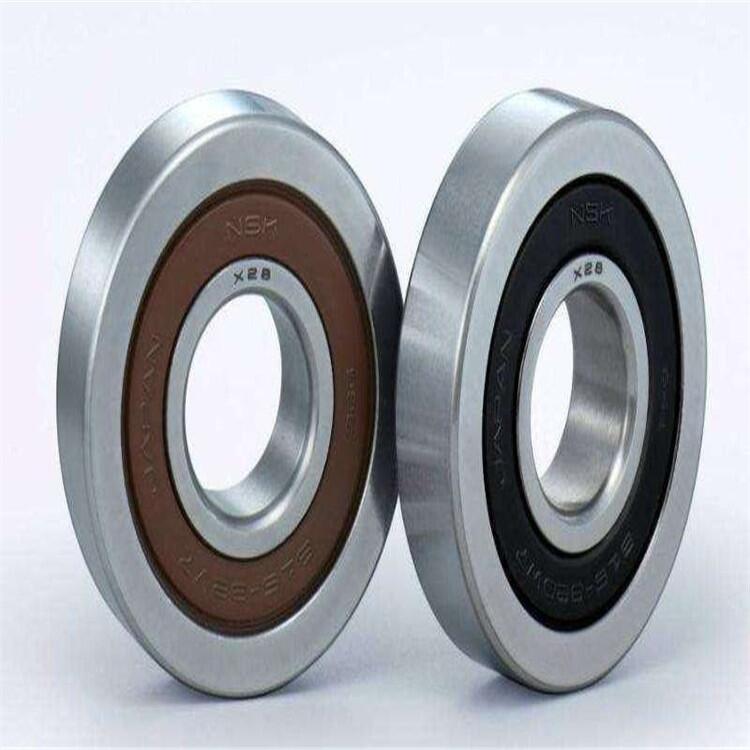 capacity of corrosion-resistant bearings
The impact of corrosive environments on corrosion-resistant bearings: Acids, bases, salts, and other substances in corrosive environments can cause corrosion of the materials in corrosion-resistant bearings, leading to a decrease in the mechanical properties of the materials and a reduction in the bearing's load-bearing capacity. In addition, corrosion can increase the porosity of the materials, thereby reducing their strength and stiffness, which in turn affects the bearing's load-bearing capacity.
The impact of corrosion on the structural integrity of corrosion-resistant bearings: Corrosion can damage the structural integrity of corrosion-resistant bearings, leading to cracks, deformation, and other phenomena, thereby affecting their load-bearing capacity.
The impact of corrosion on the lubrication of corrosion-resistant bearings: Substances in corrosive environments can damage the lubricating layer of the bearing, leading to a decrease in lubrication effect and subsequently affecting the bearing's load-bearing capacity.
Handling the impact of corrosion factors on the load-bearing capacity of corrosion-resistant bearings
Selecting appropriate materials: Choosing materials with excellent corrosion resistance can effectively enhance the load-bearing capacity of corrosion-resistant bearings.
Adopting effective protective measures: For example, protective measures such as coatings and plating can be used to prevent corrosive substances from contacting corrosion-resistant bearings, thereby protecting them from corrosion.
Improving the manufacturing accuracy and installation quality of bearings: Improving the manufacturing accuracy and installation quality of bearings can effectively enhance their load-bearing capacity.
Enhancing lubrication effect: The use of high-efficiency lubricants can effectively improve the load-bearing capacity of bearings.
Regular inspections and maintenance: Regular inspections and maintenance of corrosion-resistant bearings can help to promptly identify and address bearing issues, thereby ensuring their load-bearing capacity.
Conclusion
The load-bearing capacity of corrosion-resistant bearings is affected by corrosion factors, therefore, we need to take effective measures to protect the bearings and improve their load-bearing capacity. By selecting appropriate materials, adopting effective protective measures, improving the manufacturing accuracy and installation quality of the bearings, enhancing the lubrication effect, and conducting regular inspections and maintenance, we can effectively improve the load-bearing capacity of corrosion-resistant bearings, ensuring the stability and safety of industrial production.